Key Takeaways
- Summary of PCB creation and its process
- Insights into PCB production steps and considerations
- Examination of design factors for PCBs and assembly techniques
- Overview of materials used in PCB manufacturing
- Importance of prototyping and testing in PCB production
Overview of PCB Manufacturing
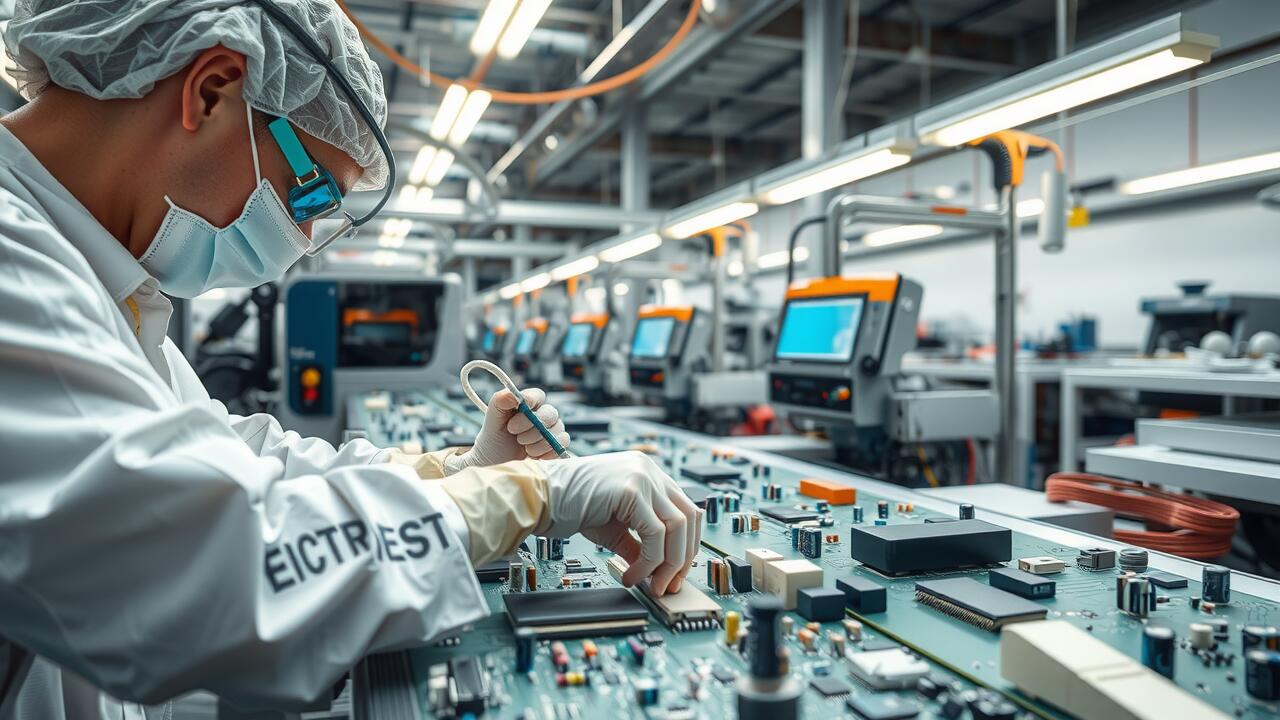
PCB manufacturing is a multifaceted process that encompasses the design, fabrication, assembly, and testing of printed circuit boards. It begins with PCB design, where a PCB designer creates layouts that define the placement of components and electrical pathways. Following the design phase, pcb fabrication involves the creation of the physical board, often utilizing techniques like PCB milling to shape the material. Once fabricated, the pcb assembly phase incorporates the placement of components onto the board, ensuring that each connection is secure and functional. The quality of the final product depends on careful consideration of each step, from the initial design through to the assembly and testing of the completed PCB assemblies. Understanding these processes is critical for anyone involved in PCB manufacturing, as it directly affects the performance and reliability of electronic devices.
Definition of PCB and Its Importance
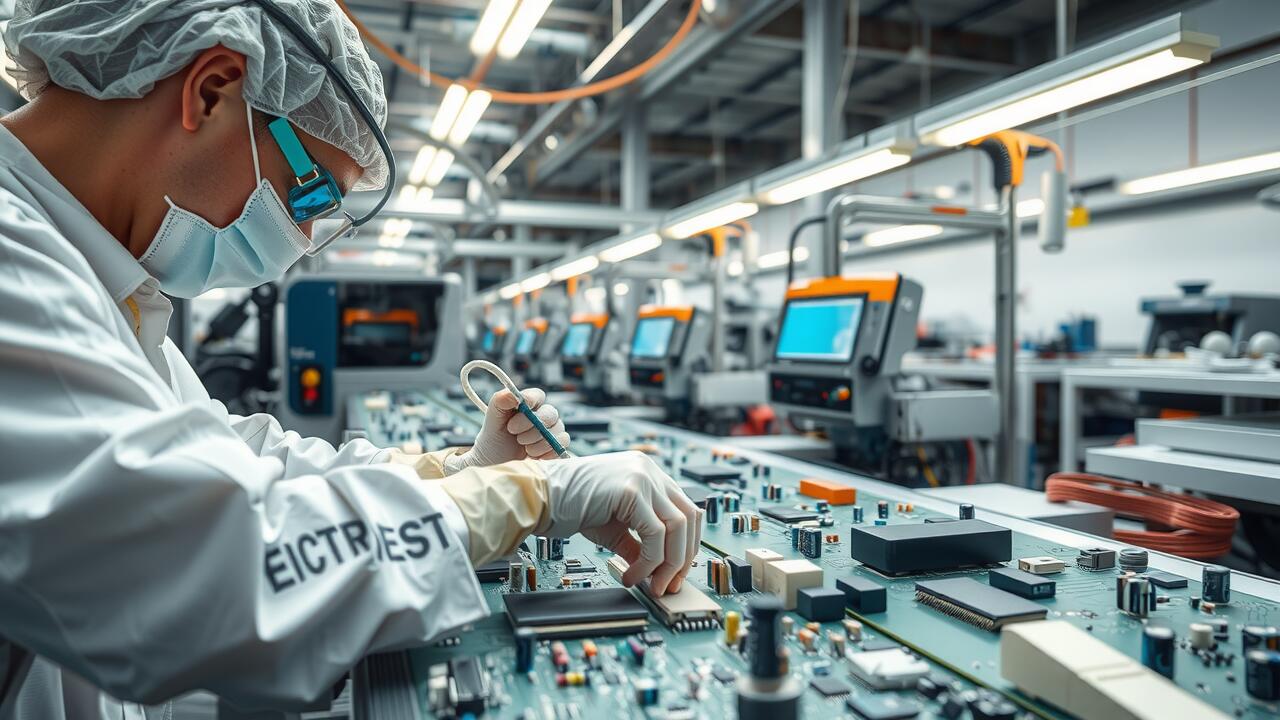
A printed circuit board (PCB) serves as the backbone of most electronic devices, providing a platform for connecting various electronic components. PCB manufacturing involves intricate design and fabrication processes that result in pathways, known as PCB traces, which facilitate electrical connections between components. The significance of PCBs in electronics manufacturing cannot be overstated, as they enable efficient signal transmission and contribute to the overall functionality and reliability of devices.
The role of computer-aided manufacturing in circuit board manufacturing has transformed the industry, allowing for precision in PCB layout and design. Flexible PCBs are particularly notable for their adaptability in various applications, from consumer electronics to aerospace. As technology progresses, manufacturers increasingly rely on advanced electronics manufacturing services to produce high-quality PCBA, ensuring that each printed circuit board meets rigorous performance standards.
Key Components of PCBs
A printed circuit board (PCB) is comprised of essential components that play significant roles in its functionality. Rigid PCBs, for example, offer a solid foundation for electronic components, ensuring stability during operation. Flex PCBs provide versatility and flexibility, allowing for compact designs in various hardware applications. The combination of both types in printed circuit board manufacturing enhances the overall design for manufacturing, making it easier to integrate into complex electronic assemblies such as PCAs (Printed Circuit Assemblies).
The manufacturing of PCBs involves various components, including conductors, insulation layers, and vias, which facilitate electrical connections throughout the board. Quality control measures like PCB e-test are crucial in printed circuit board fabrication to ensure reliability and performance. Understanding these key components boosts efficiency and effectiveness in PCB manufacturing, enabling designers to produce high-quality printed circuit assemblies tailored to specific applications.
PCB Fabrication Process
The PCB fabrication process is a critical phase in PCB manufacturing, transforming printed circuit board design into functional electronic components. During this stage, manufacturers utilize various techniques to create printed circuit boards from raw materials, ensuring that each stage adheres to stringent quality standards. The process often involves intricate steps such as layer stacking, etching, and drilling, all of which are essential for producing high-quality printed circuits. Factories equipped with advanced computer-aided design (CAD) tools streamline these operations, allowing for precision in printed circuit board assembly. Each PCB is meticulously processed to accommodate numerous electronic components, resulting in a reliable final product that meets the specifications required for diverse applications.
Stages of PCB Fabrication
The PCB manufacturing process begins with the design phase, where circuit boards are meticulously laid out using computer software. The fabrication process involves transferring this design onto the laminate material, which forms the backbone of the PCB. This stage ensures that all necessary traces and pads for integrated circuits are accurately represented. Screen printing is often employed during this period to create the necessary markings and legends, enhancing the functionality of the PCB.
Once the initial designs are ready, the actual fabrication process entails several crucial steps. High-speed PCB manufacturing techniques are utilized to ensure efficiency and precision in component placement. This includes drilling holes for vias and components, as well as applying copper layers through methods such as etching. Each stage is critical to achieving a reliable and effective PCB, as any discrepancies could impact the performance of the final product.
Common Techniques Used in PCB Fabrication
Several common techniques are utilized in PCB manufacturing to produce high-quality PCB products. Rigid PCB manufacturing is one of the most prevalent methods, characterized by the use of rigid substrates that provide structural integrity. Techniques such as etching and lamination are used extensively to create complex circuits on the board. High-precision PCB manufacturing ensures that the intricate designs required in modern electronics are achieved without compromising on quality. Lead-free PCB manufacturing has also become crucial, addressing environmental concerns while still meeting industry standards.
Various PCB materials play a significant role in the effectiveness of these techniques. The choice of PCB substrates affects the performance and durability of the final product. Myriad PCBA factories employ custom PCB assembly methods to meet specific client needs, ensuring each PCB unit is tailored to its application. Understanding PCB manufacturing FAQs is vital for engineers and designers to navigate the choices available. This comprehensive knowledge supports complete PCB design, optimizing both functionality and manufacturability of electronic devices.
PCB Design Considerations
Effective PCB design is crucial for ensuring successful PCB manufacturing and assembly. Designers must consider elements such as the layout, trace width, and component placement to optimize the PCB assembly process. The use of advanced software tools allows for accurate simulations and adjustments, ensuring that the prototype PCB meets performance standards before production. Quality cannot be compromised; hence, thorough PCB inspection and testing occur at various stages. Selecting the right materials for PCB surface and functionality is essential, as it impacts both durability and performance. Establishing a robust prototype PCB service can streamline the design's transition into manufacturing, ultimately enhancing customer satisfaction with PCB orders and reducing lead times. Employing techniques like PCB milling can enhance precision, which is vital for high-quality outputs in PCB assembly.
Essential Elements of Effective PCB Design
Effective PCB design incorporates several essential elements that influence both functionality and manufacturability. The choice of PCB layers plays a crucial role; for instance, a four-layer PCB can enhance signal integrity and reduce electromagnetic interference compared to single PCBs. Understanding the intricacies of PCB tracks and their layout is vital for optimizing performance, especially in high-density applications. Selecting the right PCB surface finish is equally important as it impacts solderability and overall durability. The use of modern PCBs often requires careful management of flexible PCB substrates to accommodate various form factors without compromising the integrity of the design.
Prototyping is a critical stage in PCB Manufacturing, allowing engineers to create and test designs before mass production. Many prototype PCB shops offer services that streamline the process of creating multiple PCBs, ensuring that any design flaws are identified early. Techniques such as PCB drilling are essential for accurately placing components and facilitating connections between different layers. By focusing on these elements, designers can create world-class PCBs that meet both performance benchmarks and industry standards, ultimately leading to successful product implementations.
Software Tools for PCB Design
A variety of software tools are essential for effective PCB design, providing engineers with the capabilities to create manufacturable PCB layouts. These tools support the creation of both multilayer PCB configurations and individual PCBs. By simulating the electrical functions and mechanical properties of the circuit board, designers can optimize the design before entering the PCB manufacturing phase. The right PCB partner often employs data-based quality PCB strategies, ensuring higher reliability during production.
The market offers software solutions that cater to diverse manufacturing capabilities, including the design of self-operated PCBs and flex PCB prototypes. These tools facilitate the design of complex routing scenarios, such as those found in wet PCBs. Effective software allows designers to streamline the production process while maintaining quality standards throughout. As PCB manufacturing progresses, the integration of advanced software plays a crucial role in achieving efficient design and minimizing time to market.
PCB Assembly Process
The assembly of PCBs represents a crucial phase in the broader PCB manufacturing process. A printed circuit board manufacturer undertakes the task of integrating various components onto the substrate, ensuring that each element consistently meets design specifications. As manufacturing trends shift towards faster production cycles, a rush PCB team is often employed to expedite assembly without compromising quality. Effective circuit board fabrication relies on precise handling of the PCB-and-connector interface to ensure optimal performance. Manufacturers like assembly allpcb offers comprehensive services that streamline the integration of hardware components while adhering to rigorous standards. The fabrication data consists of detailed specifications essential for ensuring that copper foil PCB designs translate perfectly into functional assembled boards.
Steps Involved in PCB Assembly
The assembly process of PCBs begins with preparing the required components as specified in the fabrication data. This includes sourcing various electronic parts such as resistors, capacitors, and integrated circuits designed for specific applications. For custom-printed circuit boards, careful attention to the layer count PCBs is essential, especially for complex designs like rigid-flex PCBs. Each component must be placed accurately to ensure optimal performance and reliability of the final product.
After component preparation, the circuit board assembly process commences. Components are either hand-placed or assembled using automated machines based on the circuit board design. Techniques such as surface mount technology (SMT) and through-hole technology (THT) are commonly employed to secure components to the circuit boards. Companies like RushPCB Inc. Assembly focus on maintaining high standards during this phase to enhance the quality and durability of the manufactured PCBs. Proper execution of these steps ensures that the final assembly meets the required specifications and functions as intended.
Quality Control in PCB Assembly
Ensuring quality control in PCB assembly is crucial for achieving high-performance circuit products. During the printed board fabrication process, the integrity of the design and the functionality of the components are rigorously examined. A reliable printer system contributes to the accurate placement of components and the precise alignment of component leads. We produce high quality bare printed circuit boards by adhering to strict quality standards, which helps minimize the risk of failed components in the final assembly.
Quality control protocols involve thorough inspections and testing at various stages of the assembly process. This includes verifying the component selection and ensuring that component designators match the intended layout. Employing techniques such as visual inspections and automated testing supports the development of fast-printed circuit boards, including quoterigid flex PCB configurations. A robust quality assurance framework ultimately enhances the reliability and performance of our full turnkey PCB solutions.
PCB Manufacturing Materials
Understanding the types of materials used in PCB manufacturing is crucial for optimizing fabrication and reducing whole factory costs. The selection of materials directly influences manufacturing time and the effectiveness of the production panel. Factories rely on industry-leading equipment and supply parts that can withstand the specific demands of circuit board applications. Advanced materials contribute to the reliability of SMT components and support innovative CAD/CAM design processes. The rise of smart factories emphasizes the need for careful consideration of these materials to enhance efficiency and productivity in the PCB manufacturing landscape.
Types of Materials Used in PCBs
The materials used in PCB manufacturing are crucial for ensuring the performance and reliability of the functional circuit board. Common substrates include fiberglass and epoxy resin, which provide the necessary structural integrity while supporting the required circuitry. Copper is typically utilized for its conductivity, allowing it to form the exact components needed for printed wiring assemblies. A variety of machines and equipment are employed in this process, including those for cam processing, ensuring precise fabrication of each board.
Choosing the right materials also involves considering the specifications of the electronic assembly service. Authorized parts suppliers often provide a range of options suited for various applications and environmental conditions. A home factory setup can influence material choices, as certain materials may be better suited for small-scale production or prototyping. Understanding the properties of different types of materials is essential for achieving optimal results in PCB manufacturing.
Considerations for Selecting PCB Materials
Selecting the appropriate materials for PCB manufacturing is crucial to ensure the reliability and performance of the final product. The choice of materials affects the physical circuit board structure, which in turn can influence the way test circuits and circuits interact. Rigid circuit boards often use materials like FR-4 due to their good insulation properties and mechanical strength. Factors such as thermal conductivity, moisture resistance, and dielectric constant must also be considered to achieve optimal electronics interconnection technology and overall functionality.
The fabrication sequence of a printed circuit board includes not only the material selection but also its compatibility with automatic equipment used in assembly. A thorough understanding of the materials outlined in a circuits handbook can greatly assist engineers in selecting suitable substrates and finishes. Different assembly services may require specific materials to match their processes, ensuring that the circuits maintain integrity throughout their lifespan. Each decision made during the material selection phase can significantly impact the overall effectiveness of PCB manufacturing.
Prototyping and Testing in PCB Manufacturing
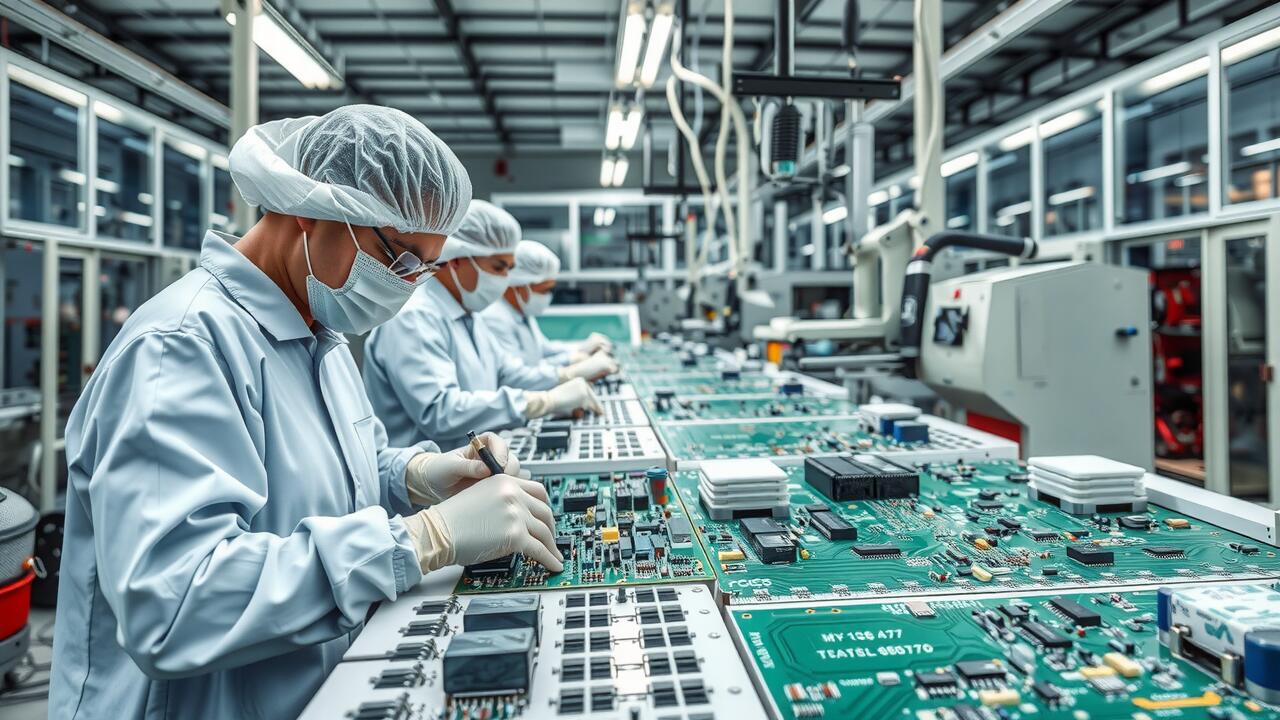
Prototyping is a crucial phase in PCB manufacturing that allows engineers to create engineering prototypes before moving to full-scale production. This step ensures that all technical capabilities are met while addressing any potential design flaws. During this phase, assemblers utilize different types of substrates, including lcp substrates, which are essential for high-density interconnect (HDI) designs featuring micro vias. Complete machine inspection is often performed after the prototypes are assembled to guarantee quality, paving the way for successful ordering components. By focusing on the quality of the printed wiring board (PWB) surface, manufacturers can provide reliable assembly services that meet industry standards.
Importance of PCB Prototyping
Prototyping plays a crucial role in PCB manufacturing, ensuring that the design meets its intended functionality before full assembly. This stage allows designers to test and verify the circuit pattern against the original design data. A reliable prototype can significantly streamline production processes, enabling manufacturers like rushpcb inc to better understand how different machines will interact with the micro components in the final product. High reliability boards often depend on accurate prototyping to minimize errors during the transition to mass production.
The benefits of PCB prototyping extend beyond initial testing. It serves as a foundation for refining designs and optimizing performance, which is essential for suppliers to deliver high-quality products. By employing advanced tools during the prototyping phase, companies can identify potential issues early on and make necessary adjustments. This proactive approach enhances the overall production process, ensuring that the final product not only meets specifications but also surpasses expectations in functionality and durability.
Testing Methods for PCBs
Ensuring the reliability and functionality of PCB Manufacturing relies on rigorous testing methods. Prototype boards undergo various evaluations to identify any potential defects before moving to final assembly. Techniques such as techscan compendium allow for the detailed analysis of precise circuit patterning while ensuring that component pin pads are correctly aligned. The production file generation plays a crucial role, as it provides the necessary documentation for both additive boards and single assembly processes.
Testing methods also include the use of computer-controlled drilling machines, which assure accurate placements for final circuit connections. These machines enhance the efficiency of the assembly process by reducing human error and ensuring high precision in component installation. As the PCB manufacturing industry evolves, adopting innovative testing techniques becomes essential to maintain quality standards and meet market demands.
Conclusion
PCB Manufacturing plays a crucial role in the electronics industry, enabling the production of specific boards that meet various technological demands. The process encompasses a range of stages, from design considerations to fabrication techniques and assembly orders. Each of these aspects contributes to the overall quality and functionality of the final product. Understanding the intricacies of PCB Manufacturing ensures that designers and manufacturers can create reliable and efficient circuit boards tailored for specific applications. This attention to detail is essential for maintaining high standards in performance and durability across all electronic devices.
FAQS
What is a PCB and why is it important in electronics?
A PCB, or Printed Circuit Board, is a crucial component in electronic devices that provides physical support and electrical connections for electronic components. Its importance lies in its ability to compactly organize and connect various components, facilitating the functionality of electronic devices.
What are the key components found on a PCB?
The key components on a PCB include resistors, capacitors, integrated circuits, diodes, and connectors. These components work together to perform electrical functions and facilitate signal transfer.
What are the main stages in the PCB fabrication process?
The main stages in the PCB fabrication process include design and layout, etching the copper layer, drilling holes for components, applying solder mask, and surface finishing. Each stage is critical to ensure the PCB functions correctly.
What techniques are commonly used in PCB fabrication?
Common techniques used in PCB fabrication include photolithography, etching, drilling, and plating. These methods help create the intricate designs and layers required for modern PCBs.
How can I ensure effective PCB design?
Effective PCB design can be ensured by considering factors such as component placement, signal integrity, thermal management, and minimizing electromagnetic interference. Utilizing specialized PCB design software can also help achieve optimal designs.
How does the pcb manufacturing process contribute to creating high-quality printed circuit boards (pcbs) and what advantage does a pcb prototype service offer in this regard?
The pcb manufacturing process involves several critical stages that ensure the production of high-quality printed circuit boards (pcbs), including pcb component placement and the use of computer aided manufacturing techniques. Utilizing a pcb prototype service allows designers to test and refine their designs before full-scale production, ultimately improving the quality of the final product. This approach is particularly beneficial when working with complex projects like rigid flex pcbs and helps in identifying potential issues early in pcb manufacturing commences.
How does pcb manufacturing save time and resources when producing printed circuit boards (pcbs)?
Efficient pcb manufacturing saves time and resources by optimizing the use of a pcb panel for printed circuit assembly. Utilizing computer-aided design tools streamlines the process, reducing errors and minimizing scrap from the pcb milling machine. This efficiency ensures that all pcs meet high pcb quality standards, especially when sourced from an authorised parts supplier, while also simplifying the production of pwb surfaces.
How does pcb manufacturing saves time and resources in the production of printed circuit boards (pcbs) while ensuring quality through computer aided design?
PCB manufacturing saves time and resources by utilizing advanced computer aided design technology that streamlines the process. This efficiency ensures that pcb assembly isn’t just quick but also maintains high-quality standards, leading to superior printed circuit boards.
What are the key factors in the pcb manufacturing process that influence the reliability and performance of printed circuit boards (pcbs)?
The reliability and performance of printed circuit boards (pcbs) are greatly influenced by several key factors in the pcb manufacturing process. These include the quality of materials used, precise manufacturing techniques, strict adherence to industry standards, and thorough testing procedures. Each of these elements contributes to ensuring that the final product meets the necessary specifications and operates effectively in its intended application.
What innovative technologies are involved in the pcb manufacturing industry that enhance efficiency and accuracy in the production of printed circuit boards (pcbs)?
The pcb manufacturing industry utilizes innovative technologies such as automated assembly, computer-aided design (CAD), and advanced material processing to enhance efficiency and accuracy in the production of printed circuit boards (pcbs). These advancements help ensure higher quality standards and faster turnaround times, ultimately benefiting the overall production process of pcbs.