Key Takeaways
- Summary of PCB Assembly Introduction and Categories of Services
- Breakdown of the Assembly Procedure and Methods for Circuits
- Benefits of Expert Assembly and Insights into the Local Industry
Overview of PCB Assembly
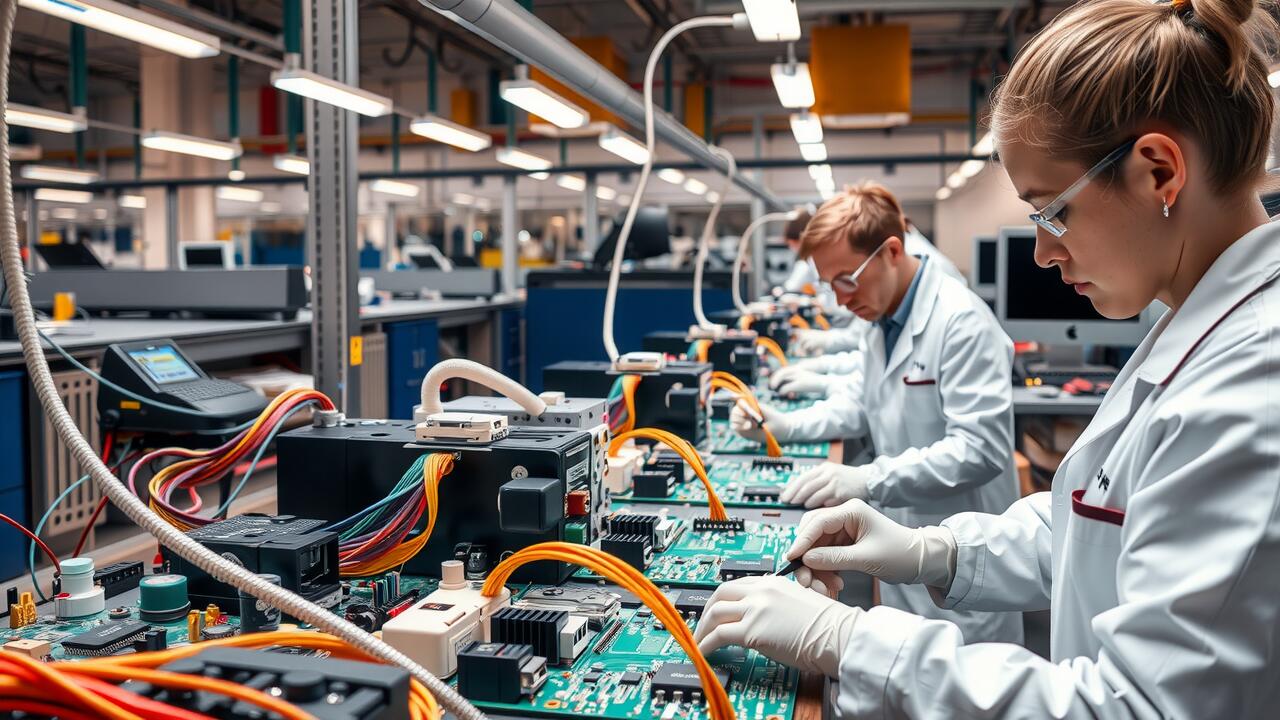
PCB Assembly is a critical process in the electronics industry, transforming raw printed circuit boards (PCBs) into functional electronic devices. The complexity of PCB manufacturing involves several stages, from design for assembly to component placement and soldering. Each printed circuit board assembly (PCBA) must meet stringent quality standards to ensure reliable performance in various applications. Understanding the nuances of this assembly process, including techniques like surface mount technology and through-hole technology, is essential for engineers and manufacturers alike. Proper execution in PCB assembly not only enhances the longevity of the finished product but also contributes to the overall efficiency of electronic systems.
Understanding PCB Fabrication
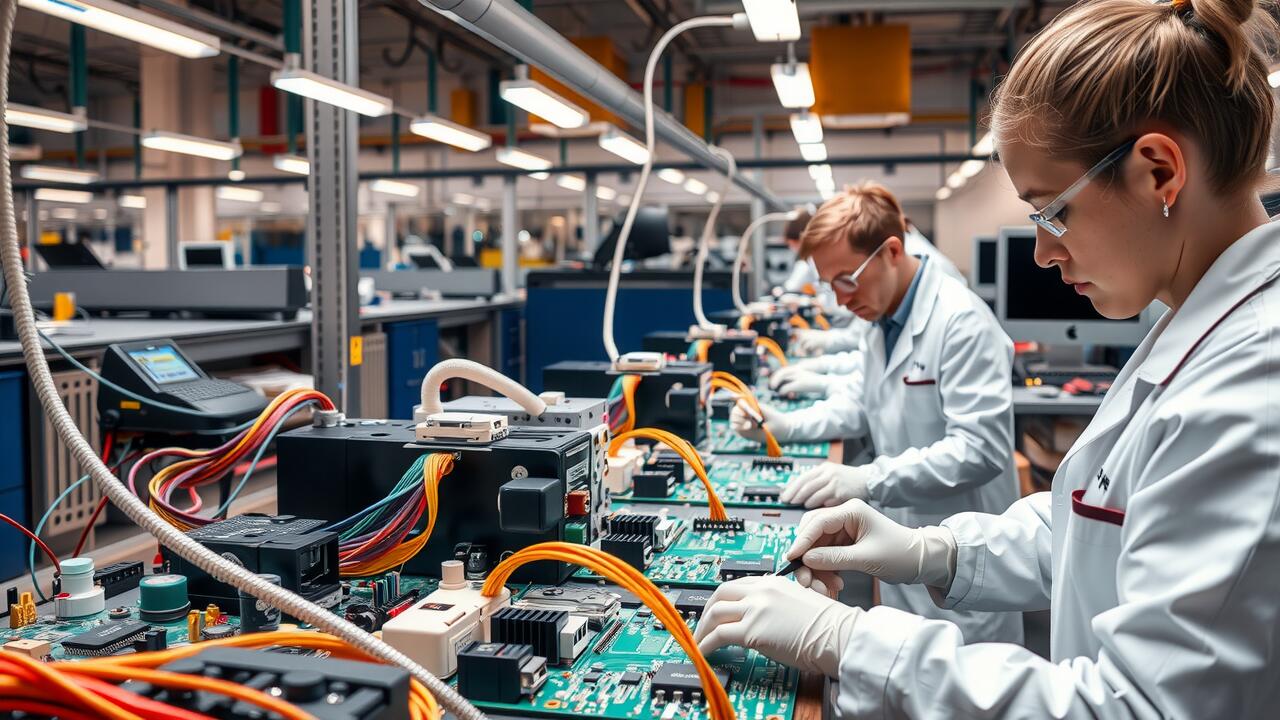
PCB fabrication is the process of creating printed circuit boards (PCBs), which are essential for electronic devices. This involves layering materials, such as copper and resin, to form circuit boards that can host various electronic components. Flex PCBs are a notable innovation in this realm, allowing for greater flexibility and space-saving designs. The fabrication process must ensure that all circuit board specifications, including those for surface mount assembly, are meticulously followed to achieve optimal performance.
The components used in PCB assembly, such as processors and PLCCs (Plastic Leaded Chip Carriers), must be carefully integrated into the PCB design. Each electronic component has specific requirements, which influence how the circuit board is fabricated. High-quality PCB fabrication is crucial for achieving reliable performance in circuit boards, particularly in demanding applications where precision is key. Careful attention to detail during fabrication ultimately leads to superior PCBA, guaranteeing that the end product meets industry standards and customer expectations.
The Importance of PCB Assembly in Electronics
PCB Assembly plays a crucial role in the electronics industry by ensuring that various electrical components are correctly placed on a printed wiring board. This process involves carefully aligning capacitors, resistors, and other components on a substrate, which forms the foundation for the circuitry. Precise component placement is essential for preventing issues such as short circuits, which can compromise the functionality of electronic devices. Each step of the PCB Assembly process contributes to creating reliable and efficient hardware, ultimately influencing the performance of the final product.
The integrity of the circuitry heavily depends on the quality of the PCB Assembly. A well-assembled board minimizes potential failures and enhances durability, which is vital in today's technology-driven world. Engineers focus on optimizing every aspect of the assembly process, from ensuring correct electrical connections to maintaining the overall structural stability of the board. This attention to detail not only increases the longevity of devices but also builds trust in the technology that underpins modern electronics.
Types of PCB Assembly Services
PCB Assembly services offer a variety of options to meet the diverse needs of the electronics industry. Custom PCB Assembly options allow clients to tailor their designs, incorporating specific components like chips and capacitors to achieve desired specifications such as capacitance. Turnkey assembly services provide everything from design to manufacturing, ensuring components are sourced effectively, often utilizing suppliers like Mouser Electronics for high-quality parts. On the other hand, consignment assembly focuses on clients supplying their own components, which can include essential parts for the mainboard and in-circuit tests. The choice between these services can greatly impact the efficiency and effectiveness of the assembly process, including the management of RDS (resistance, capacitance, and inductance) in the final product.
Custom PCB Assembly Options
Custom PCB assembly options allow companies to tailor their PCB Assembly processes to specific project needs. Advanced machines play a crucial role in delivering high-quality results, whether for common PCB assembly or more specialized flex PCB assembly. Soldering techniques can vary based on the complexity and requirements of the PCB board being produced. By leveraging innovative PCBway assembly capabilities, businesses can ensure their designs are executed with precision and reliability.
Many PCB assembly services offer customization to accommodate unique specifications and components. Reliable PCB assembly providers focus on maintaining quality throughout the process, from initial design to final assembly. This flexibility enables designers to optimize performance and functionality based on the specific applications of their PCB, ensuring that every project meets its intended objectives efficiently.
Turnkey vs. Consignment Assembly
Turn-key PCB assembly refers to a comprehensive service where the provider manages the entire PCB assembly process from start to finish. This approach includes everything from design and prototyping to sourcing and assembling all PCB components. Customers benefit from reduced complexity, as they can rely on the assembly house for all aspects of production, including board assembly and quality control. Turn-key solutions often involve automated PCB manufacturing techniques, ensuring efficiency and precision in circuit board assembly.
On the other hand, consignment assembly offers a more flexible approach, allowing businesses to supply their own components while the assembly house handles the assembly process. This method gives companies greater control over their PCB component management, enabling them to select specific parts and potentially reduce costs. Consignment assembly can be advantageous for projects requiring customized board PCB designs or specialized circuit assembly techniques, as it allows for tailored solutions while still ensuring quality during the assembly phase.
Step-by-Step PCB Assembly Process
The PCB assembly process encompasses several critical stages to ensure a successful product. It begins with design and prototyping, where engineers create a PCB prototype to validate the design before moving forward. Component sourcing and preparation follow, where components are selected based on board assembly volumes and specifications, including options for rigid-flex PCB assembly. After sourcing, the assembly services come into play, with companies like PCBWay offering turn-key PCB assembly services that streamline the production process. Soldering techniques and methods are applied to finalize the assembly, ensuring all components are securely attached for optimal functionality. Each step is integral to the overall quality of the PCB assembly, whether for small home PCB projects or large-scale production in the PCB business.
Design and Prototyping
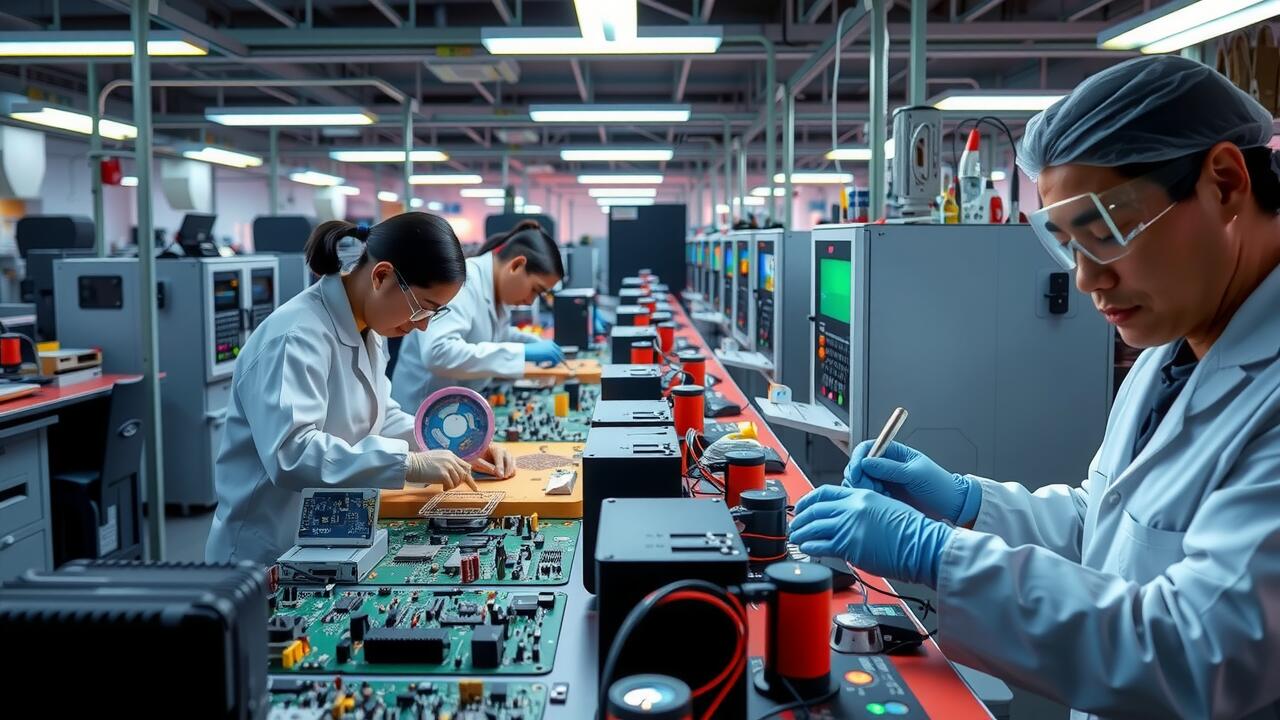
The design phase is crucial for the success of the PCB assembly process. Engineers focus on creating layouts that optimize the arrangement of personalized PCB components while ensuring compatibility with the digital processor PCB. A reliable provider PCB often collaborates with assembly experts during this stage to refine designs and prevent potential issues that could arise during production. This collaborative effort leads to the development of custom PCBs tailored to specific project requirements.
Prototyping serves as the bridge between design and mass manufacturing. This phase allows for testing and validation of the design before full-scale production begins. An assembly house specializing in box build assembly can quickly fabricate prototypes, enabling clients to review and make necessary adjustments. An efficient assembly process helps identify strengths and weaknesses in the initial design, ultimately leading to a more robust final product ready for full-scale PCB assembly.
Component Sourcing and Preparation
Sourcing components is a critical step in the PCB Assembly process that influences both efficiency and quality. The right assembly notes guide the selection and procurement of components to meet specific assembly demands. An assembly facility that specializes in prototype PCBs must ensure that all components meet the required specifications. Utilizing a reliable PCB prototype service can streamline this phase, ensuring the necessary parts are available for successful mechanical assembly.
Preparation involves more than just gathering components; it requires careful planning to accommodate various assembly methods, including SMT assembly and mixed assembly techniques. Before moving to the assembly floor, components are organized and ready to fit the requirements laid out in the assembly notes. The effectiveness of PCBA factories hinges on their ability to manage these supplies efficiently, setting the stage for a smooth transition to the actual assembly phase.
Soldering Techniques and Methods
Soldering serves as a critical step in the PCB Assembly process, impacting both functionality and reliability. The SMT assembly process is widely utilized for its effectiveness in attaching surface-mount devices (SMD) onto printed circuit boards. This technique allows for a smooth assembly process with high-density interconnections, essential for modern electronics. However, potential assembly errors can arise if the soldering conditions are not optimized. Ensuring an accurate assembly process in PCB Assembly can mitigate issues, particularly during prototype assembly, where precision is vital.
THT assembly remains another essential method, particularly for components requiring through-hole connections. This approach is often combined with SMT for a self-operated PCB that meets rigorous standards. The choice between SMD and THT assembly can significantly affect the overall performance and durability of the final product. Companies focusing on world-class PCB are keen to adopt advanced soldering techniques that enhance the reliability of their assemblies. By understanding the nuances of each method, manufacturers can implement strategies that ensure a flawless assembly process, resulting in superior electronic products.
Circuits PCB Assembly Techniques
PCB Assembly techniques play a crucial role in the effective manufacturing of electronic components. Two primary methods are utilized: Surface Mount Technology (SMT) and through-hole component assembly. SMT allows for the placement of components directly onto the surface of the PCB, enabling high-density assemblies that are often favored for their efficiency. Conversely, through-hole component assembly provides robust connections for components with larger leads, making it ideal for applications requiring durability. Assembly houses typically implement rigorous checks, ensuring quality and reliability in the final product. Companies like PCBWay offer a variety of PCBA services, including low-cost PCB solutions and quick turn PCB options, catering to diverse needs. Their expertise extends to providing electro-mechanical assembly services, thus enhancing the overall efficiency and effectiveness of the PCB Assembly process.
Surface Mount Technology (SMT)
The assembly process allows for a more efficient design of complex circuit boards, enabling the integration of various component packages onto the entire circuit board. Assemblers can implement component packages that occupy less space and provide better performance, particularly beneficial for multilayer PCBs. This method is increasingly popular over traditional through-hole assembly due to its ability to handle high-density configurations.
PCB assembly utilizing this technology simplifies the manufacturing process by eliminating the need for holes on the PCB, thereby reducing production time. As a result, companies like pcbway offer tailored solutions that cater to specific project requirements, streamlining the path from prototyping to final product. This adaptability makes it easier for engineers to innovate while ensuring the integrity and functionality of their designs.
Through-Hole Technology
A pivotal aspect of PCB Assembly is the utilization of through-hole technology, which involves components that are inserted into pre-drilled holes on the circuit board. This method is particularly effective for rigid flex PCBs and is often favored for its strong mechanical connections. The process entails careful consideration of the circuit board BOM (Bill of Materials) to ensure each component package is correctly placed. Reliable techniques in through-hole assembly lead to error-free PCBA, ensuring the integrity of cable assemblies and enhancing overall circuit functionality.
Through-hole technology is ideal for components that require robust physical and electrical connections. This technique suits high-power applications and larger components, where the strength of the bond is critical. As circuits implement complex designs, the reliability of through-hole assemblies can significantly impact the performance of the final product. Various component packages are utilized, each chosen based on the specific requirements of the circuit to create a durable and efficient circuit board.
Advantages of Professional PCB Assembly
Professional PCB Assembly offers significant advantages, particularly in ensuring high-quality circuit board testing and reliable performance. By engaging experts in PCB Assembly, companies can access customized solutions for their specific needs, including the fabrication of custom PCBs at a really low cost. These professionals utilize a step-by-step circuit board process to integrate necessary circuitry and board level components seamlessly, ensuring all required components are correctly placed. This meticulous approach not only enhances the functionality of the system board but also accelerates the overall production timeline, allowing businesses to bring their products to market more efficiently.
Quality Assurance in PCB Assembly
Quality assurance in PCB Assembly is crucial for ensuring that every unit meets the stringent standards of performance and reliability. This process involves rigorous testing methods to identify issues, including open circuits and insufficient connections. Companies like Sierra Circuits implement comprehensive quality checks throughout the assembly stage, verifying that all components are adequately chosen and aligned. Program chips and circuit designs undergo thorough evaluation through board ICT (In-Circuit Testing), ensuring that each circuit functions as intended.
Ensuring an adequate circuit board design is essential for flawless PCB Assembly. Testing not only focuses on the individual components but also on the integration of all parts within the circuit. By performing detailed inspections and tests, manufacturers can guarantee the integrity of the assembly process. This attention to quality fosters higher reliability in electronic devices while minimizing the risk of failure during operation. Ultimately, a commitment to quality assurance safeguards both the manufacturer’s reputation and the end-user's experience.
Time and Cost Efficiency
Efficient PCB Assembly significantly impacts both time and cost management for electronics manufacturers. By working closely with authorized component distributors, companies can streamline component selection for their projects. This practice ensures that desired components are readily available, minimizing delays in production. Quick access to components allows for faster assembly of multilayer boards and sample boards, ultimately leading to quicker turnaround times for finished products.
Cost efficiency is achieved through optimized processes that reduce waste and enhance productivity. Utilizing automated systems for soldering and in-circuit testing ensures high precision and lower error rates in the assembly of mounted components. These methods not only help in making boards more efficiently but also lead to substantial savings, allowing businesses to allocate resources effectively and remain competitive in the electronics market.
Colorado PCB Assembly Industry
The Colorado PCB Assembly industry boasts a dynamic ecosystem of reputable manufacturers specializing in various assembly techniques. Companies in this region utilize advanced automated systems to streamline the production of printed circuit boards (PCBs), ensuring high-quality outputs for diverse applications, such as basic filter circuits. By opting for local PCB Assembly services, businesses can avoid component procurement hurdles commonly faced in overseas manufacturing. Techniques like board cleaning are meticulously executed to maintain the integrity of the non-conductive substrate, leading to reliable final products. JLCPCB and other local entities contribute significantly to this thriving landscape, offering tailored solutions to meet the unique needs of clients.
Leading PCB Assembly Companies in Colorado
Colorado is home to several leading PCB assembly companies that offer integrated solutions for various electronics companies. These firms specialize in managing the entire process from design to production, ensuring that new boards meet industry standards. They leverage advanced techniques to handle components such as connectors and SMT components, streamlining the manufacturing process for efficiency and reliability.
Local PCB assembly providers work closely with clients to understand their specific needs and produce tailored solutions. By partnering with a trusted fab house, electronics companies can ensure that all parts are sourced and assembled with precision. This collaboration not only enhances product quality but also supports the local economy, showcasing Colorado's strengths in the PCB assembly sector.
Benefits of Choosing Local PCB Assembly Services
Choosing local PCB assembly services offers distinct advantages for businesses looking to develop electronic device prototypes. Proximity to assembly facilities enables faster implementation of projects, allowing for quicker turnaround times on PCB assembly. Local companies are often equipped with advanced automation equipment and automated machines, streamlining the assembly process for panels that include leadless package parts and non-washable components. This efficiency translates to enhanced productivity for businesses, ensuring that their prototypes are produced to high standards with minimal delays.
Local PCB assembly services also foster better communication and collaboration during the development process. Working with nearby partners means easier access to address questions or modifications regarding the assembly of several parts in a project. The flexibility to adjust designs or specifications promptly can be crucial for teams aiming to fine-tune their electronic device prototypes. By collaborating with local manufacturers, businesses can leverage their expertise and resources while ultimately benefiting from a more responsive and adaptive assembly workflow.
Conclusion
The PCB assembly process involves intricate steps that ensure the highest quality for electronic circuits. Utilizing advanced equipment and machines, manufacturers can effectively handle various components and configurations within dedicated chambers. Each phase of production, from component sourcing to soldering, plays a crucial role in the overall efficiency of assembly. The final inspection is critical, guaranteeing that every PCB assembly meets stringent quality standards before distribution. This attention to detail not only enhances performance but also builds trust in the reliability of the finished products.
FAQS
What is PCB assembly?
PCB assembly is the process of connecting electronic components to a printed circuit board (PCB) to create a functional electronic device. This process includes soldering components onto the PCB, electrical testing, and quality assurance.
What is the difference between PCB fabrication and PCB assembly?
PCB fabrication refers to the manufacturing of the printed circuit board itself, including the creation of the board material and the conductive pathways. PCB assembly, on the other hand, involves mounting and soldering electronic components onto the fabricated PCB.
What are the types of PCB assembly services available?
There are several types of PCB assembly services, including turnkey assembly, consignment assembly, prototype assembly, and low-volume production. Each service caters to different production needs and customer requirements.
What is the significance of surface mount technology (SMT) in PCB assembly?
Surface mount technology (SMT) allows for components to be mounted directly onto the surface of a PCB, which can lead to smaller, more compact designs and improved performance. SMT is widely used in modern electronics due to its efficiency and effectiveness.
How can I ensure quality assurance in PCB assembly?
To ensure quality assurance in PCB assembly, it is essential to work with reputable assembly providers who implement rigorous testing processes, such as automated optical inspection (AOI) and functional testing, to identify defects or issues during the assembly process.
What advantages does an end-to-end pcb assembly service provide in the circuit board assembly process within the pcb industry?
An end-to-end pcb assembly service facilitates a seamless transition from board fabrication to assembling comprehensive components into error-free pcbas. For instance, assembly houses like PCBWay offer turn-key pcb assembly services, which include full assembly and SMD assembly for multilayer-layer pcbs. This means clients can choose components and make boards with low cost pcb options, as well as ensure thorough assembly checks for optimal circuit functionality.
How does the process of PCB assembly differ between various service providers like PCBWay, which offers turn-key PCB assembly services, and AllPCB, which boasts comprehensive assembly checks?
The PCB assembly process can vary significantly among different providers. For instance, PCBWay offers turn-key PCB assembly services that include a full suite of solutions from design to manufacturing, allowing a streamlined approach. Conversely, AllPCB offers a detailed assembly process that includes thorough checks for holes and circuit implementations to ensure high quality. Each assembly house checks their methods to meet specifications, catering to diverse customer needs in the PCB industry.
What is the general process of PCB assembly and how does AllPCB implement checks for holes in circuits during their assembly process?
The process of PCB assembly involves several critical steps, where manufacturers first focus on laying out the circuits and ensuring that every hole is precisely drilled and positioned. AllPCB offers a comprehensive approach to assembly, implementing rigorous checks to ensure that holes in PCB circuits are properly aligned and functional. This guarantees that the final product meets quality standards and performs effectively in its designated applications.
How does the process of PCB assembly incorporate checks for holes in circuits, and what specific aspects does AllPCB offer in this regard?
The process of PCB assembly involves several critical steps to ensure high-quality production. AllPCB offers a comprehensive assembly process that includes detailed inspections for holes in circuits, ensuring that all circuits implement the necessary specifications for reliable performance. This attention to detail in the processing of PCBs helps to prevent defects and enhance the functionality of the final product.
What specific steps are involved in the process of PCB assembly and how does AllPCB implement checks for holes in circuits during their assembly process?
The process of PCB assembly typically involves designing the circuit, manufacturing the printed circuit board (PCB), placing electronic components, soldering, and testing the final product. AllPCB offers a comprehensive assembly service that includes thorough checks for holes in PCBs to ensure that circuits are properly connected and functional. These checks are integral to ensuring high-quality assembly output and reliability in the electronic components used.
How does the process of PCB assembly address common issues such as holes in circuits, and what specific solutions does AllPCB offer to mitigate these problems?
The process of PCB assembly focuses on ensuring that all components are correctly placed and soldered, while also implementing checks for potential issues like holes in circuits. AllPCB offers comprehensive services throughout this process, including meticulous inspections and automated checks that identify any irregularities in the holes of PCB before final assembly. This attention to detail ensures that the functional integrity of the circuits is maintained throughout the production process.
What elements are key in the successful process of pcb assembly, particularly regarding how AllPCB offers checks for holes in circuits throughout their procedures?
The successful process of pcb assembly involves several critical elements, including meticulous planning, quality components, and thorough inspection. Specifically, AllPCB offers comprehensive checks to identify holes in circuits, ensuring that the implemented assembly processes maintain high standards of quality and reliability in PCB production.
How does the process of PCB assembly ensure that all necessary checks for holes in circuits are implemented effectively, particularly by AllPCB?
The process of PCB assembly includes meticulous inspections and testing to ensure that any holes in the circuits are addressed. AllPCB implements rigorous testing standards and quality checks throughout their assembly process, ensuring that every PCB meets the required specifications and functions correctly without issues related to holes.
How does the assembly process of PCB address potential issues like holes in circuits, and what unique features does AllPCB offer in their assembly services to manage these challenges?
The process of PCB assembly includes several stages that are designed to identify and address potential issues, such as holes in circuits. AllPCB offers thorough assembly checks that systematically implement solutions for holes in PCB circuits. Their approach not only enhances the overall quality of the assembly process but also ensures that problematic areas are effectively managed.
How does the process of PCB assembly ensure the integrity of circuits and what measures does AllPCB implement for checking holes in PCBs?
The process of PCB assembly focuses on quality control to ensure that all necessary checks for holes in circuits are effectively implemented. AllPCB offers thorough inspections throughout their assembly process to manage these potential issues, ensuring the integrity of the PCB remains intact during production.